Family strengthening stories
Why family strengthening matters in building resilient communities
Reflections from Nyando
By Leah Otieno, Founder and Executive Director, Gracious Givers Kenya
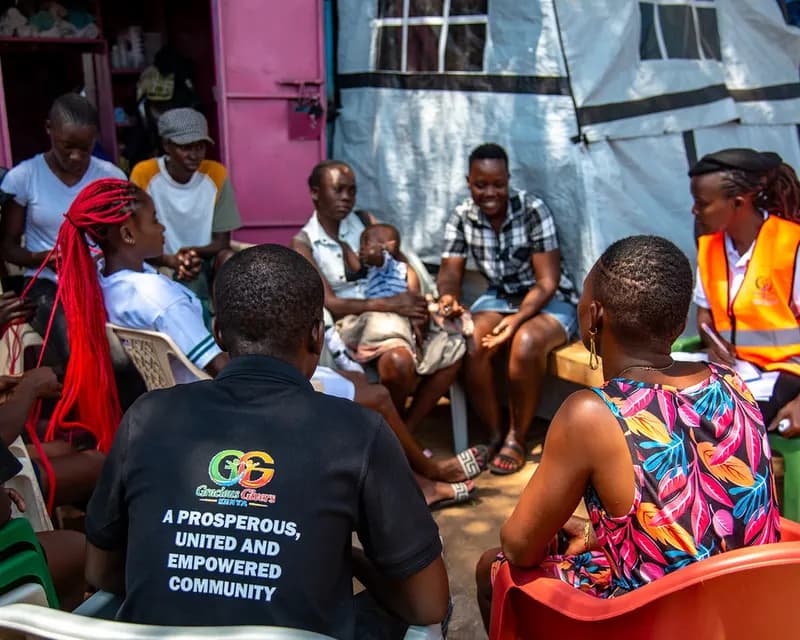
In flood affected communities, resilience is not only about livelihoods, infrastructure and emergency response. It is also built through communication, trust and support within families.
Resilience is built at home too
In flood affected communities such as Nyando, resilience is often discussed in relation to livelihoods, food security, disaster preparedness and climate adaptation. These areas are important, but resilience is also built within the home.
When floods disrupt income, schooling and daily routines, families carry more than material losses. Caregivers face the pressure of providing for their households during uncertain periods. Children and adolescents may experience fear, interrupted education and fewer opportunities. Over time, these pressures can affect communication, trust and emotional wellbeing within the family.
This is why family strengthening must be part of the wider conversation about community resilience. Families need practical support not only after a crisis, but also before and during difficult seasons.
Families are an important support system
The family is often the first source of safety, guidance and emotional support for children and young people. When relationships at home are strong, family members are better able to communicate, solve problems and support one another through difficult periods.
When young people feel heard and supported, they are more likely to remain hopeful, make safer decisions and participate positively in their communities. When caregivers have practical tools and supportive relationships, they are better able to manage stress and respond to children with patience and understanding.
Family strengthening is therefore more than parenting education. It contributes to the social foundation that helps households and communities prepare for, cope with and recover from shocks.
Learning from the Sinovuyo parenting approach
The Sinovuyo parenting approach offers practical lessons for strengthening relationships between caregivers and adolescents. Through a structured 14 week learning journey, one caregiver and one adolescent from a household participate together and continue practicing what they learn at home.
The sessions create space for families to strengthen:
- Positive communication and active listening
- Stress management and emotional awareness
- Collaborative problem solving
- Conflict resolution
- Nonviolent discipline
- Positive relationships between caregivers and adolescents
The approach begins with respect. It recognizes that most caregivers want the best for their children, even when economic pressure, climate related shocks and other challenges make parenting difficult.
Members of the Gracious Givers Kenya team are trained in family strengthening approaches, including Sinovuyo. This experience is helping us shape a program that responds to the realities of families in Nyando while building on the knowledge, commitment and support systems that already exist within the community.
From family sessions to community support systems
Family strengthening becomes more sustainable when families are connected to wider community support systems. Caregivers and adolescents who meet regularly can learn from one another, discuss shared challenges and identify practical local solutions.
Schools, women's groups, youth groups, community leaders and service providers all have a role to play. With careful facilitation, these connections can support peer learning, timely referrals, household preparedness and continued community dialogue.
These relationships matter because resilience is rarely built by one household acting alone. It becomes stronger when families know where to seek help, share useful information and support one another during difficult periods.
Small changes can strengthen a family
An important lesson from family strengthening work is that families do not necessarily lack love or commitment. Many need safe spaces for reflection, practical tools and encouragement.
Meaningful change can begin with simple actions:
- A caregiver listening before responding
- An adolescent feeling safe enough to speak
- A family solving a disagreement without violence
- Caregivers recognizing that they are not facing their challenges alone
- A family knowing where to seek help when additional support is needed
Our direction at Gracious Givers Kenya
Through our Family and Community Systems Strengthening program, Gracious Givers Kenya seeks to work with caregivers, adolescents, schools and community structures to promote positive relationships, child protection and stronger local support systems.
Our approach recognizes that climate resilience, livelihoods, youth wellbeing and family stability are connected. A household may receive livelihood support, but its progress can remain fragile when family relationships are overwhelmed by stress, conflict or isolation.
We therefore believe community resilience should address both practical and relational needs. Resilient communities begin with families that can communicate, solve problems and support one another. By investing in these relationships, we strengthen an important foundation for lasting community wellbeing.
An invitation to partner
Gracious Givers Kenya welcomes partnerships that can help families in Nyando access practical parenting support, safe learning spaces, psychosocial and referral services, youth mentorship and stronger community support systems.
Together, we can strengthen the relationships and local structures that help families prepare, adapt and move forward with dignity. Partner with us.
Community led. Future focused.
Continue exploring