Our Model
The Gracious Givers Community Resilience Model
The Gracious Givers Community Resilience Model has grown from our work with flood affected communities in Nyando. It brings together approaches we have already used in livelihoods, youth development, family strengthening and school and community based climate action. We are now strengthening how these components are connected, followed up and measured over time.
The model starts with local knowledge, works through existing community systems and becomes stronger through follow up, evidence, partnership and continuous learning.
Our big idea
Community led resilience that helps climate affected families protect, progress and recover with greater stability.
Our theory of change
If flood affected households strengthen economic security and climate preparedness, young people gain practical pathways to opportunity, families have stronger support systems and communities are connected to existing local services and institutions, then households will be better able to prepare for shocks, protect progress and recover with dignity.
How the model moves from community priorities to stronger resilience
Listen and understand the local reality
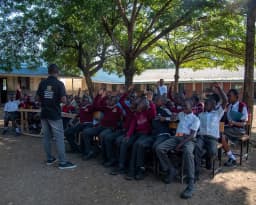
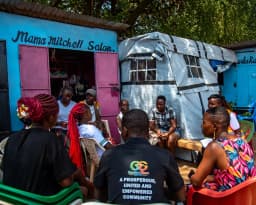
We begin with community dialogue, school engagement, family conversations and local consultation to understand risks, strengths, existing solutions and priorities.
Identify what is holding recovery back
Together with communities, we look at livelihood insecurity, flood and climate risks, youth barriers, family pressures and gaps in access to existing services or opportunities.
Strengthen the capabilities that matter most
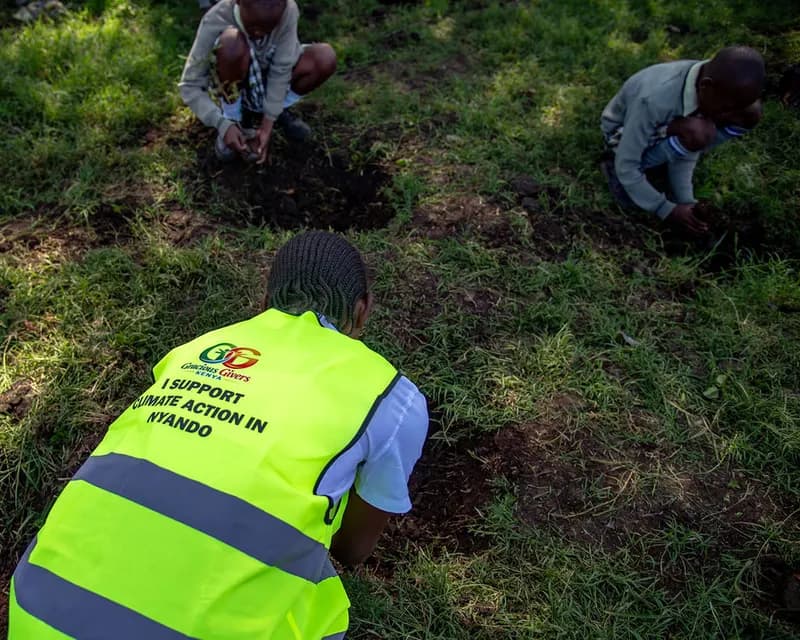
Depending on the context, activities may strengthen livelihoods and financial resilience, youth skills and pathways, family relationships, climate preparedness, school-based action or community support systems.
Connect people to existing systems
We work through schools, community groups, local leaders, service providers, government structures and institutional partners so that participants are linked to support beyond the activity itself.
Follow up, learn and adapt
We track participation, gather community feedback and increasingly follow outcomes after activities so that we can understand what is working, what is not and what needs to change.
Strengthen what can be repeated
We document practical approaches, partnerships and delivery tools that can be adapted with locally rooted partners in other climate-vulnerable communities without losing local ownership.
Why the model works
The model is designed around the reality that resilience is not created by a single training or sector. Families need economic options, young people need pathways, caregivers need support, schools can anchor learning and communities need functioning local systems. Gracious Givers brings these pieces together around the same household and community rather than treating them as unrelated interventions.
What we are strengthening now
Our next stage is to strengthen outcome follow up, document where the different parts of the model reinforce one another, understand the cost of delivery and identify which elements can be responsibly adapted in other climate vulnerable communities. We will use this evidence to guide growth rather than scale activities simply for the sake of reach.
Work with us on the model
We welcome partners who can help us strengthen evidence, deepen implementation and responsibly adapt the Community Resilience Model in Nyando and, over time, in other climate vulnerable communities.
Partner on Strengthening the ModelContinue exploring